DeFi Explained Simply (Beginner-Friendly Guide That Actually Makes Sense)

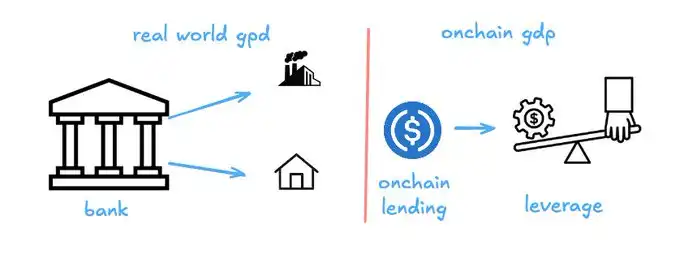
Let’s not overcomplicate this.
When most people first hear DeFi (Decentralized Finance), it sounds like something only developers or crypto nerds understand. Charts, protocols, liquidity pools… yeah, it can get messy fast.
But here’s the truth:
DeFi is just a new way to use money — without banks.
That’s it.
No bank approvals. No middlemen. No “please wait 3–5 business days.” Just you, your wallet, and smart contracts doing the work.
And once I understood that, everything started making sense.
So in this guide, I’ll break down DeFi in the simplest way possible, even if you’re completely new to crypto.
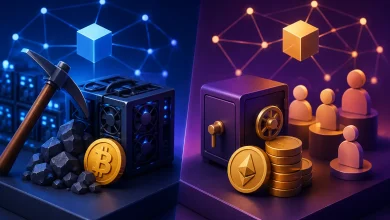
DeFi illustration / decentralized finance graphic]
What is DeFi (In Simple Terms)?
DeFi stands for Decentralized Finance.
It’s a system where you can:
- Send money
- Borrow money
- Lend money
- Earn interest
- Trade tokens
👉 Without using a bank.
Instead of banks, DeFi uses:
- Smart contracts (automated programs)
- Blockchain networks (like Ethereum)
So instead of trusting a bank…
You trust code.
Sounds risky? Maybe. But also powerful.
How DeFi Is Different from Traditional Finance
Let’s compare it quickly.
Traditional Finance (Banks)
- Bank controls your money
- You need approval
- Transactions take time
- Fees everywhere
- Limited access
DeFi
- You control your money
- No approval needed
- Instant transactions
- Lower fees (sometimes 😅)
- Open to anyone
Big difference, right?
That’s why DeFi exploded.
Bank vs DeFi comparison graphic]
How DeFi Actually Works
Alright, let’s simplify the mechanics.
DeFi runs on blockchains like Ethereum.
Instead of apps like your banking app, you use dApps (decentralized apps).
You connect your wallet (like MetaMask), and then you interact directly.
Behind the scenes:
- Smart contracts execute transactions
- No human approval needed
- Everything is recorded on-chain
So when you lend crypto…
A smart contract handles everything automatically.
No bank employee involved.
What You Need to Start Using DeFi
You don’t need much.
Seriously.
1. Crypto Wallet
This is your identity.
Popular options:
2. Some Crypto
Usually:
- ETH
- USDT
- USDC
Even small amounts work.
3. Internet + Curiosity
That’s it.
No paperwork. No ID verification (in most cases).
Welcome to Web3.
Main Things You Can Do in DeFi
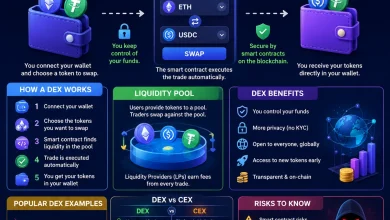
1. Swap Tokens (Like Instant Exchange)
Want to change ETH to USDT?
In DeFi, you don’t need Binance or any exchange.
You just:
- Connect wallet
- Select tokens
- Click swap
Done.
Platforms like Uniswap make this easy.
No signup. No waiting.
2. Lend Your Crypto (Earn Interest)
You can lend your crypto to others.
In return, you earn interest.
Simple example:
- Deposit USDC
- Platform lends it out
- You earn yield
It’s like a savings account…
But usually with higher returns.
3. Borrow Crypto
Need funds but don’t want to sell?
You can borrow.
Example:
- Deposit ETH as collateral
- Borrow USDT
No bank. No credit check.
Just collateral.
4. Provide Liquidity (Advanced but Powerful)
This sounds complex, but let’s simplify.
You provide two tokens to a pool.
Example:
- ETH + USDT
Traders use your pool.
You earn fees.
That’s called liquidity providing.
It’s one of the main ways people earn in DeFi.
5. Staking (Earn Passive Rewards)
You lock your tokens.
In return, you earn rewards.
Think of it like:
- Deposit crypto
- Earn yield over time
Easy and beginner-friendly.
Why DeFi Became So Popular
Let me be honest.
People didn’t join DeFi for fun.
They joined because:
- Higher returns
- No bank control
- Global access
- Fast transactions
- Full ownership
And once you try it…
Going back to banks feels slow.
Is DeFi Safe?
Short answer:
It depends on you.
DeFi itself works fine.
But users make mistakes.
Risks to Know
- Smart contract bugs
- Scams
- Fake websites
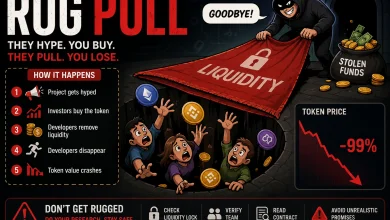
- Rug pulls
- Wallet hacks
So always:
- Use trusted platforms
- Double-check links
- Never share seed phrase
- Start small
Seriously… safety matters more than profit.
Common DeFi Terms (Explained Simply)
Let’s break some confusing words.
Liquidity
Money locked in a pool for trading.
APY
How much you earn yearly (percentage).
Gas Fees
Transaction fees on blockchain.
Smart Contract
Code that runs automatically.
TVL (Total Value Locked)
Total money inside a protocol.
Now these terms won’t scare you anymore.
DeFi vs CeFi (Quick Comparison)
You’ll hear this often.
CeFi (Centralized Finance)
DeFi
- Uniswap
- Aave
- Curve
Difference?
Control
CeFi holds your funds
DeFi = you hold your funds
Big deal.
How Beginners Should Start DeFi
Don’t rush.
Here’s a simple plan:
- Create wallet
- Add small funds
- Try swapping
- Try staking
- Explore slowly
No need to jump into advanced stuff immediately.
Take your time.
Common Mistakes Beginners Make
Let me save you from these.
- Investing too much too early
- Clicking random links
- Chasing high APY scams
- Ignoring gas fees
- Not learning basics
Start small. Learn fast.
Why DeFi Matters for the Future
This is bigger than crypto.
DeFi is changing how money works.
Imagine:
- No banks controlling access
- Global financial access
- Instant transactions
- Transparent systems
That’s the direction we’re heading.
Will it replace banks completely?
Maybe not.
But it will definitely change them.
Final Thoughts — Should You Care About DeFi?
Yes.
Even if you’re just starting.
Because DeFi is:
- One of the biggest parts of crypto
- Full of opportunities
- Still early
You don’t need to master everything today.
Just understand the basics.
Try small things.
Stay curious.
And who knows…
You might go from beginner to DeFi pro faster than you think