What is Blockchain Technology? (Simple Explanation That Actually Makes Sense)

The word “blockchain” gets thrown around so much in crypto that it almost starts to lose meaning.
You hear things like:
- “Blockchain will change the world”
- “This project uses blockchain technology”
- “Everything is moving on-chain”
And you’re just there thinking…
Okay, but what is blockchain really?
I had the same confusion when I started. Everyone explained it in a complicated way, like you needed to be a programmer to understand it.
But here’s the truth:
Blockchain is actually simple — once someone explains it properly.
So in this guide, I’ll break it down in a way that actually sticks. No fluff, no confusing jargon — just clear, practical understanding.
What is Blockchain (Simple Definition)
Let’s keep it as simple as possible.
Blockchain is a digital system that records transactions in a secure, transparent, and decentralized way.
Still sounds a bit technical, right?
Let’s simplify it further.
Think of blockchain as:
A shared online notebook that everyone can see, but no one can secretly change.
That’s the core idea.
A Real-Life Example (This Makes It Click)
Imagine you and 1,000 people share a Google Sheet.
Every time someone sends money:
- It gets written in the sheet
- Everyone can see it
- Everyone has a copy
Now if someone tries to cheat and change a number…
The other 999 people will immediately notice.
So cheating becomes almost impossible.
That’s basically how blockchain works — just more advanced and more secure.
Why It’s Called “Blockchain”
The name sounds fancy, but it’s actually literal.
- Block = a group of transactions
- Chain = linked together
So:
Transactions are grouped into blocks
Each block connects to the previous one
That forms a chain
Once a block is added:
It becomes extremely hard to change
How Blockchain Works (Step-by-Step)
Let’s walk through what happens behind the scenes.
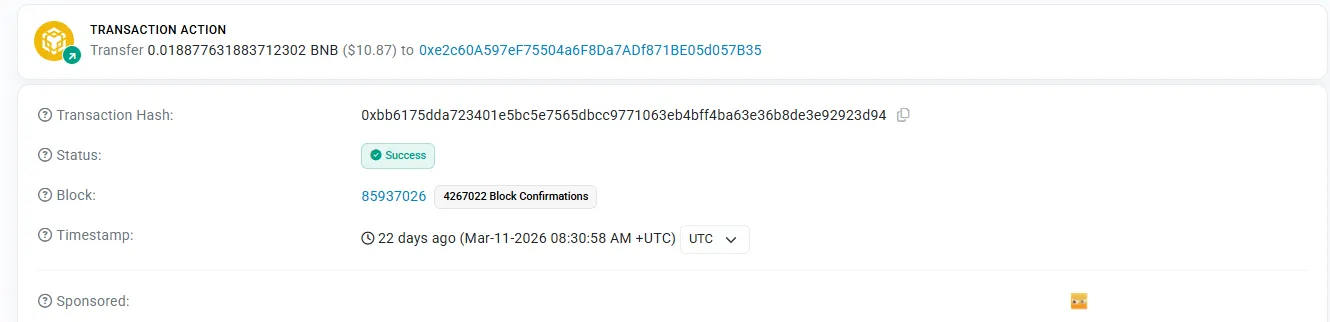
Step 1 — You Make a Transaction
Example:
- You send crypto to your friend
Step 2 — The Network Sees It
Your transaction gets sent to a network of computers (called nodes).
Step 3 — Verification Happens
These computers check:
- Do you actually have the funds?
- Is the transaction valid?
If yes → approved
If no → rejected
Step 4 — Transactions Are Grouped
Approved transactions get collected into a block.
Step 5 — Block Is Added to the Chain
The block gets linked to previous blocks.
Now it’s permanent.
Step 6 — Transaction Completed
Your friend receives the crypto.
And the record stays forever.
What Makes Blockchain Different?
You might be thinking:
“Why not just use a normal database?”
Good question.
Here’s what makes blockchain special.
1. Decentralization (No Single Control)
In traditional systems:
- Banks control your money
- Companies control your data
In blockchain:
No single authority controls everything
It runs on many computers worldwide.
That’s called decentralization.
2. Transparency
Everything is visible on blockchain.
Anyone can:
- Check transactions
- Verify balances
- Track activity
Nothing is hidden
3. Security
Blockchain is extremely secure.
Why?
Because:
- Data is stored across many computers
- Each block is linked using cryptography
To hack it, someone would need to:
Control most of the network
Which is nearly impossible.
4. Immutability (Cannot Be Changed)
Once something is recorded:
You cannot easily change or delete it.
This builds trust.
Because no one can secretly edit history.
Types of Blockchain (Simple Breakdown)
Not all blockchains are the same.
Public Blockchain
Anyone can join.
Examples:
- Bitcoin
- Ethereum
Features:
- Open
- Transparent
- Fully decentralized
Private Blockchain
Controlled by a company.
Used for:
- Businesses
- Internal systems
Less open.
Consortium Blockchain
Shared between organizations.
Used in industries like:
- Banking
- Supply chain
Most crypto projects use public blockchains.
Real-Life Uses of Blockchain
Now let’s talk about where blockchain is actually used.
Because it’s not just crypto.
1. Cryptocurrency
This is the most popular use.
- Bitcoin
- Ethereum
- Stablecoins
All rely on blockchain.
2. DeFi (Decentralized Finance)
Blockchain allows:
- Lending
- Borrowing
- Trading
Without banks.
Everything runs on smart contracts.
3. NFTs
NFTs are digital ownership records.
Blockchain proves:
- Who owns what
- Who created it
No fake ownership
4. Supply Chain Tracking
Companies track products using blockchain.
From:
- Factory
- Shipping
- Store
Everything is recorded.
No hidden changes.
5. Voting Systems
Blockchain can improve voting.
- Transparent
- Secure
- Hard to manipulate
Still developing, but promising.
Advantages of Blockchain
Let’s summarize the benefits.
- No middleman
- High security
- Full transparency
- Global access
- Faster transactions
Disadvantages of Blockchain
Let’s keep it real — it’s not perfect.
- Can be complex for beginners
- Gas fees can be high
- Some networks are slow
- Scams still exist
So yeah… powerful, but not flawless.
Blockchain vs Traditional Systems
Here’s a quick comparison.
Traditional Systems
- Central control
- Limited access
- Slower processes
- Less transparency
Blockchain Systems
- Decentralized
- Open to anyone
- Faster transactions
- Transparent
Big upgrade.
Important Blockchain Terms (Explained Simply)
Let’s quickly simplify common terms.
Node
A computer that helps run the blockchain.
Validator / Miner
Confirms transactions.
Block
A group of transactions.
Ledger
The full record of all transactions.
Hash
A unique code for each block.
Now you won’t feel lost when you see these terms.
Why Blockchain Matters for Crypto Airdrops
Here’s where it connects to your niche.
Airdrops exist because blockchain:
- Tracks user activity
- Records transactions
- Identifies wallets
Projects use this data to:
Reward users with tokens
Without blockchain…
Airdrops wouldn’t be possible.
Is Blockchain the Future?
Short answer?
Very likely.
Big companies and industries are already exploring it.
Used in:
- Finance
- Gaming
- Healthcare
- Logistics
It may not replace everything overnight…
But it’s definitely here to stay.
Don’t Overcomplicate Blockchain
Let’s bring it all together.
Blockchain is just a shared, secure digital record that no one controls.
That’s the foundation.
Once you understand that:
- Crypto makes sense
- DeFi makes sense
- Airdrops make sense
You don’t need to master everything today.
Just understand the basics.